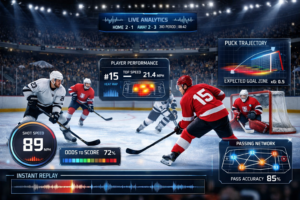


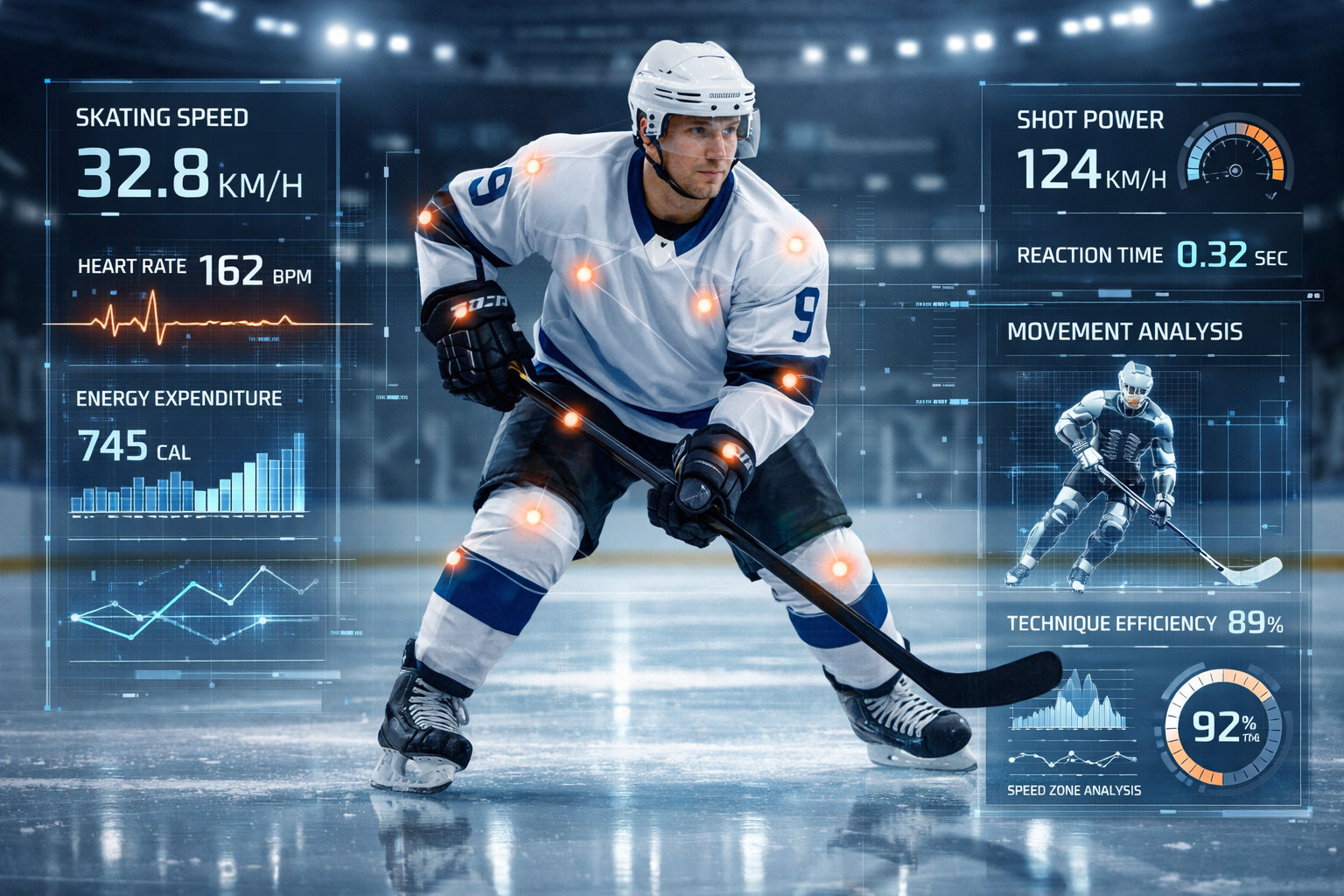
In the fast-paced world of professional ice hockey, marginal gains can make the difference between victory and defeat. As teams strive to optimize player performance and minimize injury risks, artificial intelligence (AI) is becoming a transformative tool in training regimens. By analyzing vast amounts of player data, AI helps coaches and trainers customize workouts, monitor progress, and make informed decisions that elevate both individual athletes and entire teams. This article delves into how AI-driven data analysis is reshaping hockey training, enhancing athletic performance, and pushing the boundaries of sports science.
The Evolution of Training in Professional Ice Hockey
Traditionally, hockey training has relied on a combination of experience-based coaching, physical conditioning, and video analysis. While these methods remain fundamental, they have inherent limitations in processing the complex, dynamic data generated by players during games and practice sessions. With the advent of wearable technology, advanced sensors, and AI-powered analytics, trainers now have access to a wealth of real-time data that can provide deeper insights into player performance and health.
The challenge lies in transforming this raw data into actionable insights. AI algorithms excel at identifying patterns and predicting outcomes based on large datasets, enabling a shift from generic training plans to highly personalized programs tailored to each player’s unique physiological and performance profile.
Key Data Sources in AI-Enhanced Hockey Training
Modern hockey training integrates a variety of data streams, including:
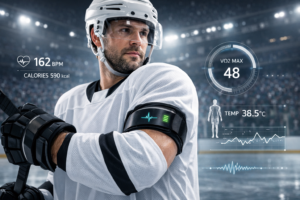
- Wearable Sensors: Devices worn by players track metrics such as heart rate, acceleration, speed, distance covered, and body impacts.
- Video and Motion Capture: High-speed cameras and motion tracking systems analyze skating technique, shot accuracy, and player positioning.
- Biometric Data: Information on sleep quality, hydration levels, and muscle recovery, often collected via smart bands or health apps.
- Historical Performance Data: Game statistics, injury history, and past training results serve as contextual input for AI models.
By aggregating these data points, AI systems can build comprehensive player profiles that reflect not only physical capabilities but also fatigue patterns, risk factors, and skill development trajectories.
How AI Customizes Training Regimens
The core advantage of AI in hockey training is its ability to generate customized programs that adapt over time. Here are some practical applications:
1. Personalized Load Management
AI algorithms analyze physiological data to optimize training volumes and intensities, helping prevent overtraining and reduce injury risk. By monitoring player fatigue and recovery in real time, trainers can adjust practice schedules and rest periods dynamically, maximizing performance while safeguarding health.
2. Technique Refinement
Through video analysis combined with biomechanical data, AI identifies subtle flaws in skating stride, shooting, or checking technique. It then recommends targeted drills to correct inefficiencies, accelerating skill acquisition and reducing injury likelihood associated with improper mechanics.
3. Tactical and Strategic Insights
AI can simulate scenarios and analyze opponent tendencies, enabling players to focus on situational training that enhances decision-making under pressure. Customized drills based on these insights improve cognitive responses and on-ice awareness.
4. Recovery Optimization
Insight into sleep patterns, muscle soreness, and inflammation markers allows AI to suggest personalized recovery protocols, including nutrition, physiotherapy, and rest strategies, which are crucial during intensive competition periods.
Benefits of AI-Driven Training for Teams and Players
The integration of AI into hockey training brings several tangible benefits:
- Enhanced Performance: Tailored programs help players reach peak condition more efficiently by focusing on their specific strengths and weaknesses.
- Injury Prevention: Early detection of overuse or biomechanical issues reduces downtime caused by injuries.
- Data-Driven Decision Making: Coaches can make smarter lineup and strategy choices based on comprehensive player readiness assessments.
- Continuous Improvement: AI models learn from ongoing data, enabling training regimens to evolve with the player’s development.
Challenges and Considerations
Despite its promise, AI adoption in hockey training is accompanied by several challenges:
- Data Privacy and Security: Managing sensitive player health data requires stringent protocols to protect confidentiality.
- Integration Complexity: Combining multiple data sources and ensuring interoperability between devices can be technically demanding.
- Human Factors: Coaches and players must trust and understand AI recommendations, emphasizing the need for clear communication and education.
- Cost and Accessibility: Advanced AI tools and sensors may be cost-prohibitive for smaller teams or leagues.
Addressing these issues is critical to maximizing AI’s transformative potential while maintaining ethical and practical integrity.
Looking Ahead: The Future of AI in Hockey Training
As AI technology continues to advance, its role in hockey training is expected to deepen. Emerging trends include:
- Real-Time In-Game Analytics: Wearables and AI could provide instant feedback during games, allowing in-game tactical adjustments and injury alerts.
- Virtual and Augmented Reality Integration: AI-driven VR/AR environments can simulate game situations for immersive, cognitive, and technical skill training.
- Enhanced Mental Conditioning: AI tools analyzing cognitive load and stress responses will help optimize psychological resilience and focus.
- Blockchain for Data Integrity: Secure, immutable records of player data could improve transparency and trust among stakeholders.
Ultimately, AI will not replace the human elements of coaching and teamwork but will serve as a powerful augmentation—empowering players and coaches to make smarter, evidence-based decisions that drive success on the ice.
Key Takeaways
- AI leverages diverse player data to create personalized, adaptive training regimens in professional ice hockey.
- Wearables, video analysis, and biometric monitoring provide rich datasets for AI-driven insights.
- Customized training improves performance, reduces injury risk, and enhances tactical understanding.
- Challenges include data privacy, technology integration, and ensuring user trust and accessibility.
- The future points toward real-time analytics, immersive training environments, and mental performance optimization powered by AI.
Related Resources
- NHL Player Technology and Wearables – Official details on how wearable tech is used to enhance player performance in professional hockey.
- NCAA Sport Science Institute – Research and resources on sports science innovations including AI applications in athlete training and health.
- SportTechie: AI in Hockey Training – In-depth articles covering the latest AI tools and trends in hockey performance enhancement.
- AI and Injury Prevention in Sports – Scientific study on the role of AI in reducing injury risk among athletes.
- IBM Watson Sports Analytics – Overview of AI-powered sports analytics solutions used across various professional sports including hockey.