
Wearable Technology and AI: Preventing Injuries on the Ice
Discover how AI-powered wearable technology is revolutionizing injury prevention in professional ice hockey by monitoring player health in real time.
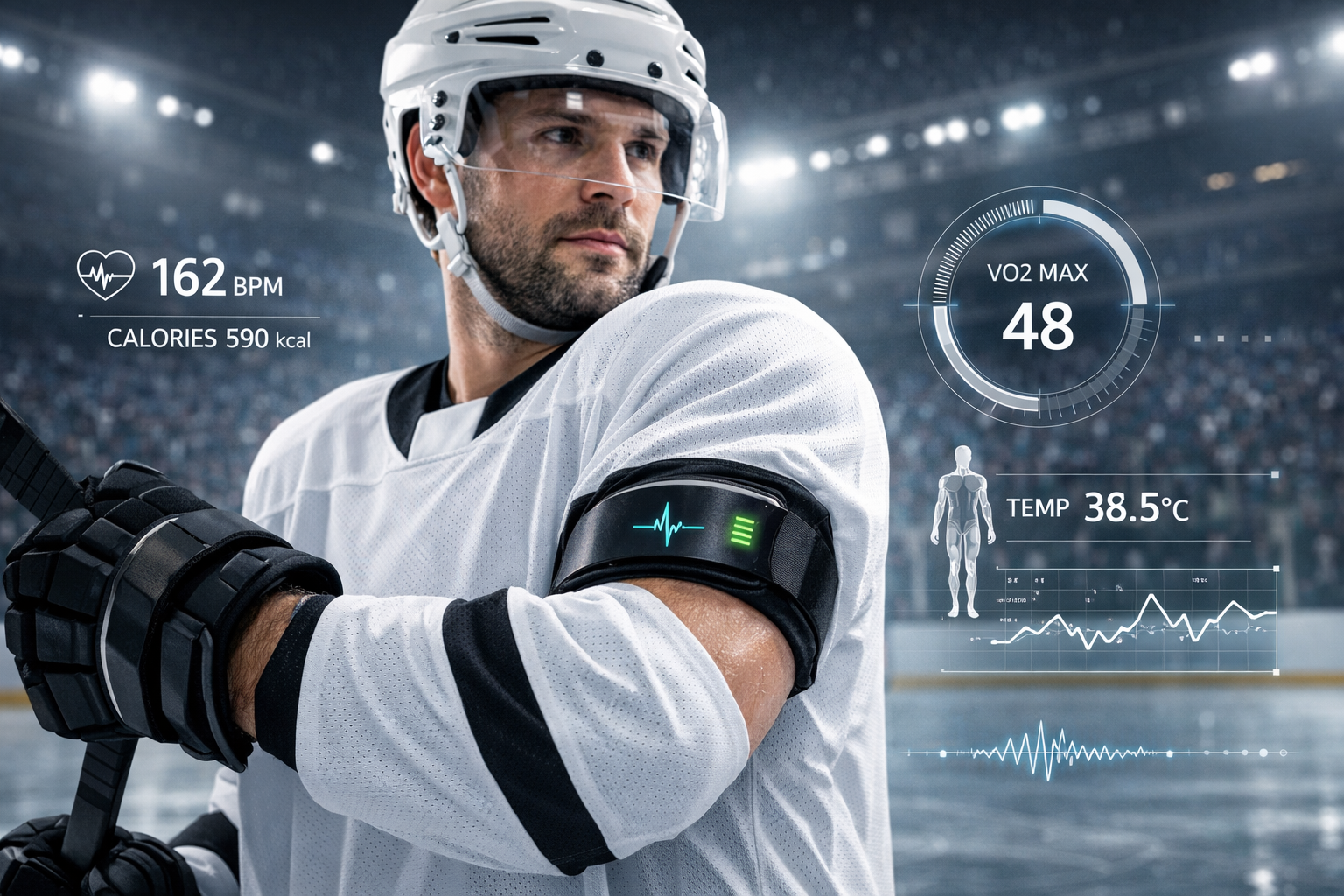
In the fast-paced, physically demanding world of professional ice hockey, injuries are unfortunately common and often severe. However, recent advancements in wearable technology combined with artificial intelligence (AI) are opening new frontiers in player health monitoring and injury prevention. By leveraging AI-powered wearables, teams and medical staff can now gain real-time insights into player biometrics, predict injury risk, and optimize training loads to keep athletes safer on the ice.
The Rise of AI-Powered Wearables in Sports
Wearable technology has become ubiquitous in sports, evolving from simple step counters and heart rate monitors to sophisticated devices capable of tracking a wide range of physiological and biomechanical data. When integrated with AI, these wearables transform raw data into actionable intelligence.
In ice hockey, where players endure rapid directional changes, high-impact collisions, and intense physical exertion, continuous monitoring of health metrics can be the difference between early intervention and a season-ending injury.
Key Metrics Monitored by Wearables
- Heart Rate Variability (HRV): Indicates autonomic nervous system balance and recovery status.
- Impact Detection: Sensors measure the force and location of hits and collisions.
- Muscle Fatigue and Load: Tracking exertion levels helps prevent overtraining.
- Range of Motion and Biomechanics: Motion sensors analyze skating form and joint stress.
- Temperature and Hydration Levels: Monitoring core temperature and sweat rates to prevent heat stress and dehydration, even in cold environments.
How AI Enhances Injury Prevention on the Ice
While wearables collect data, AI algorithms are essential to interpret this information accurately and predict injury risk. Machine learning models analyze historical and real-time data to identify patterns that may precede injuries, providing a proactive approach rather than reactive treatment.
Predictive Analytics
AI models can predict the likelihood of injuries by correlating physiological stress markers with injury incidence data. For example, a sudden drop in HRV combined with increased impact frequency may signal elevated concussion risk. This allows coaching and medical teams to intervene with rest or modified training before an injury occurs.
Personalized Training and Recovery
AI systems can customize training loads and recovery protocols based on individual player data. This tailored approach helps optimize performance while minimizing wear and tear, crucial for maintaining longevity in a physically intense sport like hockey.
Real-Time Monitoring and Alerts
During games and practices, AI-powered wearables provide continuous feedback, sending alerts if a player experiences unusual impacts or exhibits signs of fatigue. Immediate awareness enables quick medical evaluation and reduces the chance of aggravating injuries.
Case Studies: AI and Wearables Making an Impact
Several professional hockey teams and leagues have begun adopting AI-driven wearable technology with promising results:
- NHL Teams: Some National Hockey League teams have integrated smart mouthguards and sensor-embedded jerseys to track impacts and player biometrics in real time, helping mitigate concussion risks.
- European Leagues: Clubs in European leagues utilize AI platforms to analyze workload data and customize training, reducing muscle strains and overuse injuries.
- Research Collaborations: Partnerships between universities and hockey organizations are developing AI models that combine biomechanical data and video analysis to identify risky playing behaviors and improve coaching strategies.
Challenges and Future Directions
Despite the progress, several challenges remain in fully realizing AI-powered wearables’ potential in ice hockey:
- Data Privacy and Security: Ensuring sensitive health data is protected and used ethically is paramount.
- Sensor Accuracy and Comfort: Wearables must be non-intrusive and precise, without interfering with performance.
- Integration with Existing Systems: Seamless integration into team workflows and medical records is crucial for widespread adoption.
- Standardization: Establishing industry standards for data collection and AI model validation is needed to build trust and comparability across teams.
Looking ahead, innovations such as smart ice rinks with embedded sensors, AI-driven video analytics combined with wearable data, and blockchain-secured health records may further revolutionize player safety and performance optimization.
Key Takeaways
- AI-powered wearable technology enables continuous, real-time monitoring of ice hockey players’ health and biomechanics.
- Predictive AI models help identify injury risks early, allowing proactive intervention and personalized training adjustments.
- Early adoption by professional teams shows promising reductions in concussion and overuse injuries.
- Challenges include data privacy, sensor comfort, and the need for standardized protocols.
- The future integration of AI, wearables, and advanced analytics promises a safer, more efficient path to athlete longevity in ice hockey.
Related Resources
- NHL Player Health and Safety – Official NHL resource detailing health initiatives and concussion protocols.
- Applications of Wearable Technology in Sports Medicine – A comprehensive scientific review on wearable tech and injury prevention.
- IEEE Guidelines on AI Ethics – Foundational principles for ethical AI development, including health data privacy.
- How AI is Changing Hockey – Insightful industry article on AI innovations in professional hockey.
- The Future of Sports Wearables – Analysis on emerging trends and technologies in wearable sports devices.