



Why Enabling 2FA/MFA is More Important Than Ever with the Rise of AI
AI-driven cyber threats are evolving and why enabling two-factor and multi-factor authentication is crucial to protect your digital assets today.
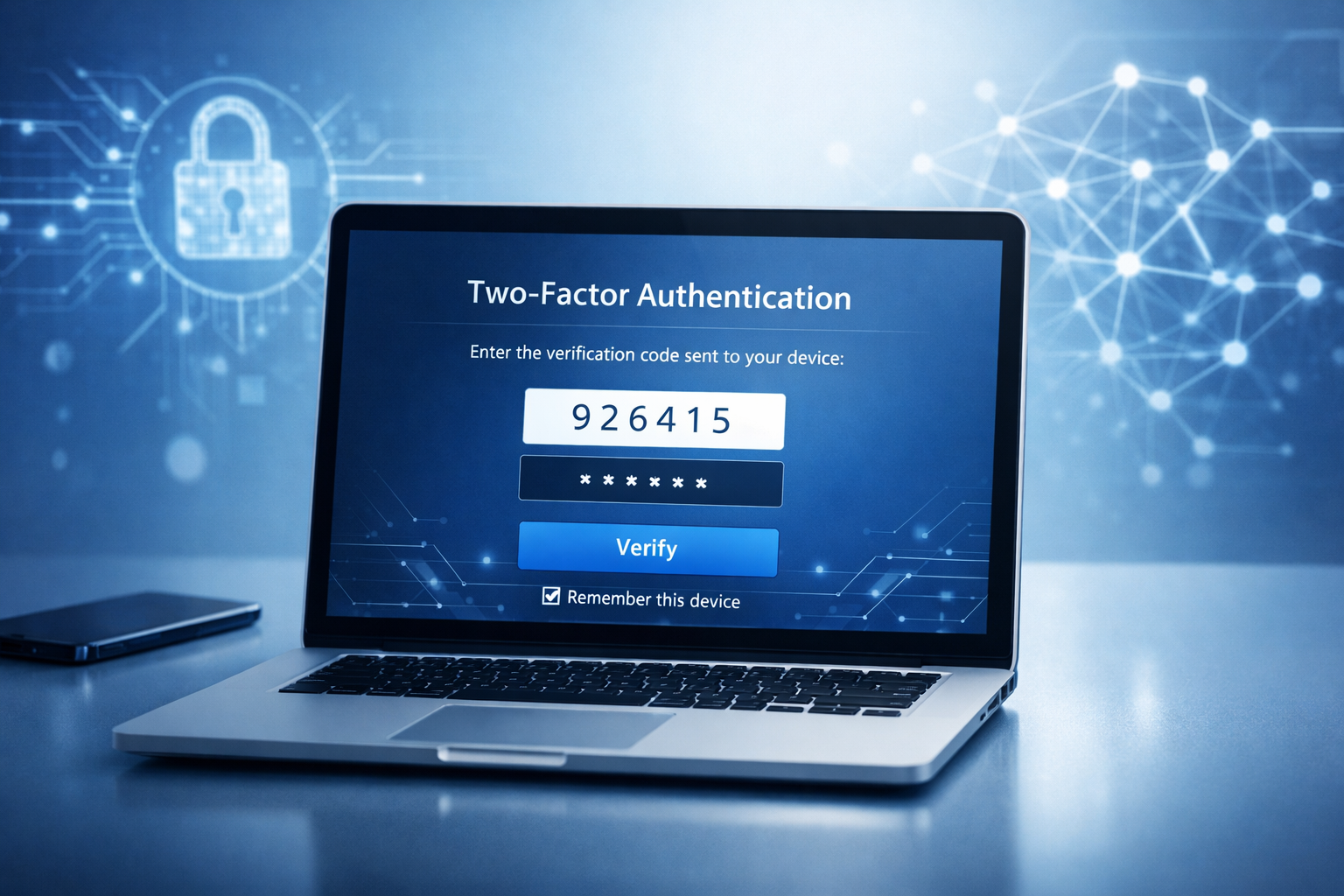
As artificial intelligence (AI) technologies advance and become more accessible, their impact on cybersecurity is growing in complexity and scale. While AI offers remarkable benefits across industries—from aerospace innovations to wearable tech—it also empowers cybercriminals with sophisticated tools to breach digital defenses. This evolving threat landscape makes enabling two-factor authentication (2FA) and multi-factor authentication (MFA) more critical than ever to safeguard both personal and professional digital assets. In this article, we explore why 2FA/MFA is essential in the age of AI, how AI is reshaping cyber threats, and practical steps you can take to enhance your security posture.
The Rising Cybersecurity Risks Fueled by AI
AI’s ability to analyze vast amounts of data, automate complex tasks, and learn from patterns has made it a double-edged sword in cybersecurity. On one hand, AI helps organizations detect anomalies, predict attacks, and respond more quickly to threats. On the other hand, cybercriminals leverage AI to craft more convincing phishing campaigns, automate credential stuffing, and bypass traditional security measures.
AI-Powered Phishing and Social Engineering
Phishing attacks have become increasingly sophisticated with AI-generated content that mimics human language and writing styles. Attackers use natural language processing (NLP) to create personalized emails that are difficult to distinguish from legitimate communications. This increased realism dramatically raises the risk of users unknowingly divulging passwords or other sensitive information.
Automated Credential Attacks
AI algorithms can automate credential stuffing and brute force attacks at scale, rapidly testing millions of username-password combinations derived from data breaches. This automation increases the likelihood of unauthorized access, particularly for accounts protected solely by passwords.
Bypassing Traditional Security Measures
As AI systems improve, they can also be used to evade detection by security software. For example, AI can help malware polymorphically change its code to avoid signature-based antivirus detection, or simulate human behavior to bypass anomaly detection systems.
Understanding Two-Factor and Multi-Factor Authentication
Two-factor authentication (2FA) and multi-factor authentication (MFA) add critical layers of security beyond just a username and password. They require users to provide additional verification factors, typically from different categories:
- Something you know: A password or PIN.
- Something you have: A physical device like a smartphone, security key, or token.
- Something you are: Biometrics such as fingerprint, facial recognition, or voice authentication.
By combining multiple factors, 2FA/MFA significantly reduces the risk of unauthorized access even if one factor—like a password—is compromised.
Common 2FA/MFA Methods
- SMS or Email Codes: One-time passwords (OTP) sent via text message or email.
- Authenticator Apps: Apps like Google Authenticator or Authy generate time-based OTPs.
- Hardware Security Keys: Physical devices like YubiKey that use protocols such as FIDO2 for strong authentication.
- Biometrics: Fingerprint scanners, facial recognition, or iris scans integrated with devices or apps.
Why 2FA/MFA is More Important Than Ever with AI-Driven Threats
Passwords alone have become insufficient in the face of AI-enhanced cyberattacks. Here’s why 2FA and MFA are indispensable today:
Mitigating AI-Driven Credential Attacks
When attackers use AI to automate credential stuffing or brute force attacks, 2FA/MFA acts as a second line of defense. Even if a password is exposed, the attacker still requires the second authentication factor to gain access.
Reducing the Impact of AI-Generated Phishing
AI-generated phishing emails can trick users into revealing passwords. However, with 2FA/MFA enabled, the mere possession of a password is insufficient for account takeover, drastically lowering the risk of compromise.
Protecting Sensitive and High-Value Accounts
For professionals working with sensitive data in aerospace, neurotechnology, or AI research, unauthorized access can have severe consequences. MFA helps protect intellectual property, research data, and confidential communications from sophisticated attacks.
Complementing AI-Powered Security Systems
While AI-driven security tools enhance threat detection, they are not infallible. Layering authentication factors creates a robust defense-in-depth strategy that reduces reliance on any single security technology.
Practical Steps to Implement Strong Authentication
Given the increasing risks, adopting 2FA/MFA should be a priority for anyone managing digital accounts—whether personal, professional, or organizational.
Enable 2FA/MFA Wherever Possible
Most major online platforms and services support 2FA or MFA. Start by enabling it on your email accounts, cloud services, financial platforms, and social media.
Choose Strong Authentication Methods
While SMS-based 2FA is better than no 2FA, it’s susceptible to SIM-swapping attacks. Authenticator apps and hardware security keys offer stronger protection and are recommended for sensitive or high-risk accounts.
Educate Yourself and Your Team
Awareness is key. Learn how to recognize phishing attempts, understand the importance of multi-factor authentication, and encourage colleagues or family members to adopt these security practices.
Regularly Review Account Security Settings
Periodically check which devices and apps have access to your accounts, revoke permissions for unused apps, and update recovery information to ensure you can regain access if needed.
Key Takeaways
- AI is transforming cybersecurity threats, making attacks more sophisticated and automated.
- Passwords alone are no longer sufficient to protect digital accounts in an AI-driven threat landscape.
- Two-factor and multi-factor authentication add critical layers of defense by requiring multiple types of verification.
- Strong authentication methods like hardware keys and authenticator apps provide better security than SMS-based codes.
- Adopting 2FA/MFA across personal and professional accounts is essential to mitigate risks posed by AI-enhanced cyberattacks.
Related Resources
- CISA Tips for Multi-Factor Authentication – Official guidance from the Cybersecurity and Infrastructure Security Agency on implementing MFA.
- NIST Multi-Factor Authentication Overview – A detailed explanation of MFA protocols and best practices from the National Institute of Standards and Technology.
- Microsoft Security Blog on MFA Best Practices – Insights from Microsoft emphasizing stronger MFA methods over SMS.
- Privacy Affairs: How AI is Changing Cybersecurity – An analysis of AI’s impact on the cybersecurity landscape.
- Bruce Schneier on Multi-Factor Authentication – Expert commentary on the importance and limitations of MFA.


