
Understanding the Neurotech Revolution: Definition, Research, and Future Outlook
The transformative field of neurotechnology, including its core concepts, cutting-edge research, and future developments as quantum computing nears practical application.
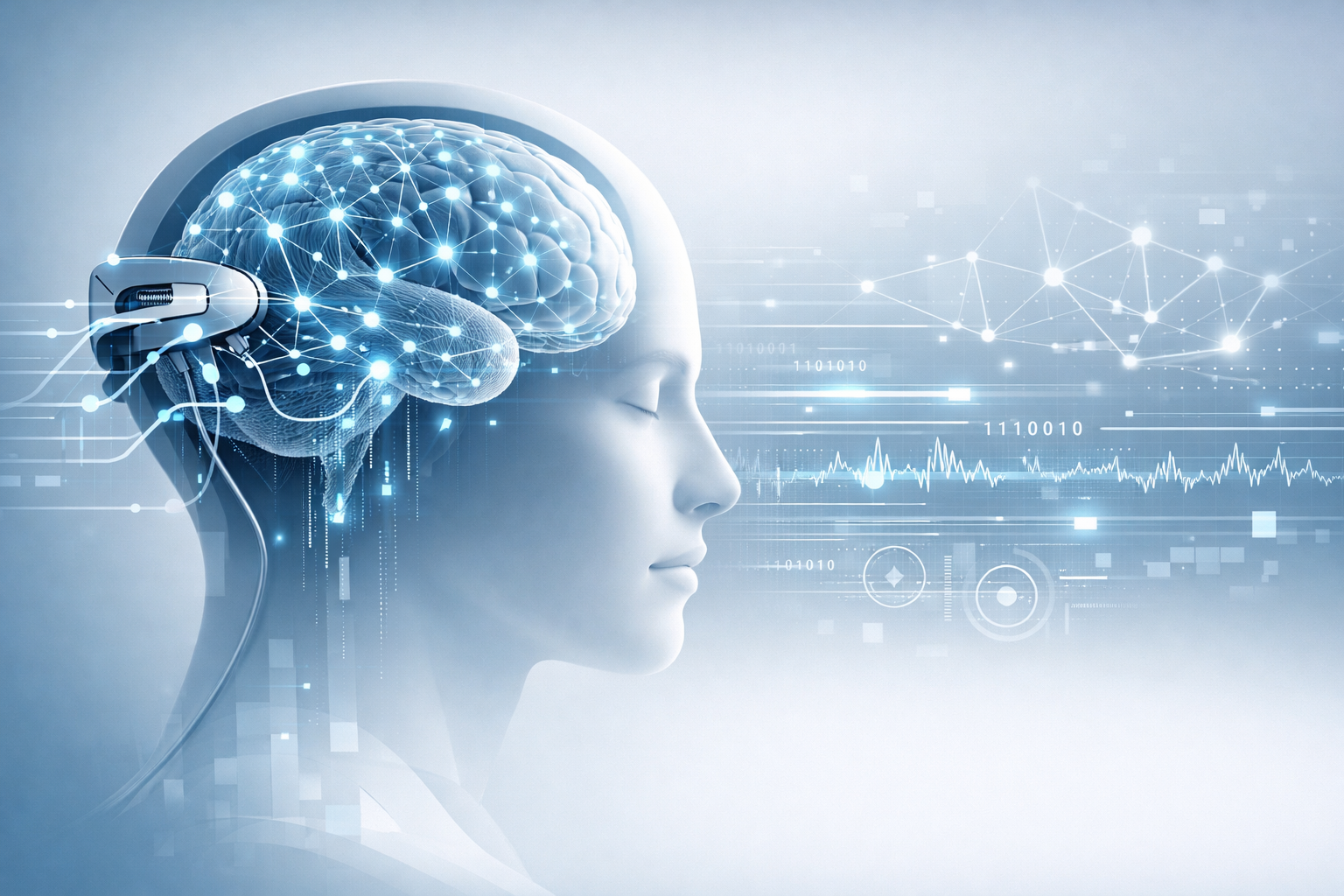
The neurotechnology revolution is rapidly reshaping how we understand, interact with, and enhance the human brain. As advancements in artificial intelligence, wearable technology, and quantum computing converge, neurotech stands at the forefront of a transformative era in science and technology. This article offers a comprehensive overview of neurotechnology—what it entails, the current state of research, and the anticipated trajectory over the next decade as quantum computing approaches practical reality.
What Is Neurotechnology?
Neurotechnology encompasses a broad spectrum of tools and techniques designed to interface with the nervous system. It involves the development of devices and methods that monitor, modulate, and sometimes even augment brain function. This field bridges neuroscience, engineering, computer science, and medicine to understand brain activity and translate it into actionable insights or therapeutic interventions.
At its core, neurotechnology seeks to:
- Monitor neural activity: Using sensors and imaging techniques to record electrical, chemical, or metabolic signals from the brain.
- Modulate brain function: Applying targeted stimulation to influence neural circuits, which can aid in treating neurological disorders.
- Enhance cognitive abilities: Developing interfaces that augment memory, attention, or other cognitive processes.
- Facilitate brain-computer communication: Enabling direct communication pathways between the brain and external devices without relying on traditional motor outputs.
Common examples include non-invasive technologies like EEG (electroencephalography), invasive devices such as deep brain stimulators, and emerging brain-computer interfaces (BCIs) that promise new avenues for human-computer interaction.
Current Research Landscape
Neurotechnology research today is highly multidisciplinary, involving collaborations across academia, industry, and healthcare. Several key areas highlight the ongoing advancements:
1. Brain-Computer Interfaces (BCIs)
BCIs are systems that translate brain signals into commands for computers or machines. Research focuses on improving signal acquisition, decoding algorithms, and user experience. In medical contexts, BCIs provide communication and mobility solutions for individuals with paralysis or neurodegenerative diseases. For example, companies and research groups are developing non-invasive and implantable BCIs capable of controlling prosthetic limbs, typing texts, or even navigating digital environments.
2. Neuromodulation and Therapeutic Devices
Neuromodulation techniques, such as transcranial magnetic stimulation (TMS) and deep brain stimulation (DBS), are advancing as treatments for conditions like Parkinson’s disease, depression, and epilepsy. Researchers are exploring closed-loop systems that can detect abnormal neural activity and respond dynamically, optimizing therapeutic outcomes.
3. Cognitive Enhancement and Neurofeedback
Beyond therapy, neurotechnology is also being applied for cognitive enhancement. Neurofeedback devices train users to regulate their own brain activity to improve focus, reduce stress, or enhance learning capabilities. These applications extend into sports and professional performance, aligning well with AI-driven sports analytics and wearable tech innovations.
4. Integration with Artificial Intelligence
Artificial intelligence plays a crucial role in processing complex neural data. Machine learning algorithms help decode patterns from noisy brain signals and predict neural states with increasing precision. This synergy enables smarter BCIs and personalized neurotherapeutics, accelerating clinical and consumer applications.
The Role of Quantum Computing in Neurotechnology’s Future
Quantum computing promises to revolutionize data processing by handling computations beyond the reach of classical computers. Although still in early stages, its anticipated integration with neurotechnology could unlock unprecedented capabilities:
- Enhanced Neural Data Analysis: Quantum computers could analyze massive, high-dimensional neural datasets efficiently, identifying subtle patterns that classical methods might miss.
- Improved Brain Simulation: Simulating complex neural circuits at quantum scales may lead to better models of brain function, advancing both basic neuroscience and applied neurotech.
- Optimization of Neurotech Algorithms: Quantum machine learning can optimize decoding and control algorithms for BCIs, improving accuracy and responsiveness.
- Secure Brain-Computer Communication: Quantum encryption could safeguard sensitive neural data and maintain user privacy in brain-computer interactions.
While fully functional quantum computers are not yet mainstream, ongoing research anticipates practical quantum advantage within the next decade. This timeline aligns with ambitious neurotech projects, suggesting a future where quantum computing significantly accelerates neurotechnology innovation.
Projected Development Timeline
Understanding the approximate timeline helps contextualize neurotechnology’s evolution, especially as it intersects with AI and quantum computing:
- Short-Term (1–3 years): Continued refinement of BCIs with improved non-invasive devices, expanded clinical trials for neuromodulation therapies, and broader adoption of neurofeedback in wellness and sports.
- Mid-Term (4–7 years): Emergence of hybrid neuro-AI systems providing adaptive, personalized brain interfaces. Early practical quantum computing tools begin integration with neural data analysis.
- Long-Term (8–10+ years): Quantum-enhanced neurotechnology enables real-time, high-resolution brain mapping and ultra-responsive BCIs. Consumer-grade devices achieve seamless human-AI collaboration, fundamentally transforming healthcare, productivity, and entertainment.
These projections depend on sustained investment, regulatory frameworks, and ethical considerations surrounding privacy, consent, and equitable access to neurotech advancements.
Ethical and Practical Considerations
As neurotechnology matures, its societal impact demands careful scrutiny:
- Privacy and Data Security: Neural data is highly sensitive. Protecting it against misuse or unauthorized access is paramount.
- Informed Consent: Clear communication about risks and benefits is essential, especially for invasive procedures.
- Accessibility and Equity: Ensuring neurotechnology benefits are widely available, not limited to privileged groups.
- Psychological Impact: Addressing potential changes in self-perception or cognition due to neurotech use.
These factors should guide both research priorities and policy development as the field advances.
Key Takeaways
- Neurotechnology integrates neuroscience, AI, and engineering to interface with the brain for monitoring, modulation, and augmentation.
- Current research focuses on brain-computer interfaces, neuromodulation therapies, cognitive enhancement, and AI integration.
- Quantum computing, as it matures, is expected to dramatically enhance neurotechnology’s data processing, simulation, and security capabilities.
- The next decade will likely see significant strides in both clinical and consumer neurotech applications, deeply impacting healthcare, sports, and human-computer interaction.
- Ethical considerations surrounding privacy, consent, and accessibility are critical for responsible development and deployment.
Related Resources
- National Institute of Neurological Disorders and Stroke (NINDS): Brain-Computer Interfaces – An authoritative overview of BCI technology and its medical applications.
- Qiskit by IBM – A leading open-source quantum computing framework offering tools and tutorials for beginners and researchers.
- Nature’s Neurotechnology Collection – Curated scientific articles covering the latest neurotech research and breakthroughs.
- World Health Organization: Neurological Disorders – Insights into neurological diseases and how emerging technologies impact treatment.
- Frontiers in Neurorobotics – A journal focusing on the intersection of robotics, AI, and neurotechnology.