

In recent years, the aviation industry has witnessed a transformative shift driven by advancements in artificial intelligence (AI). One of the most promising applications of AI is in optimizing flight paths to reduce fuel consumption and improve air traffic management. As global air traffic continues to grow, the pressure to enhance efficiency while minimizing environmental impact has never been greater. This article explores the AI-driven techniques that are reshaping how aircraft navigate the skies, delivering practical benefits for airlines, passengers, and the planet.
The Growing Need for Flight Path Optimization
Commercial aviation is a major contributor to global carbon emissions, with fuel costs representing a significant portion of airline operating expenses. Traditionally, flight paths have been planned using fixed airways and predetermined routes, which often fail to account for dynamic factors such as weather conditions, air traffic congestion, and real-time operational constraints.
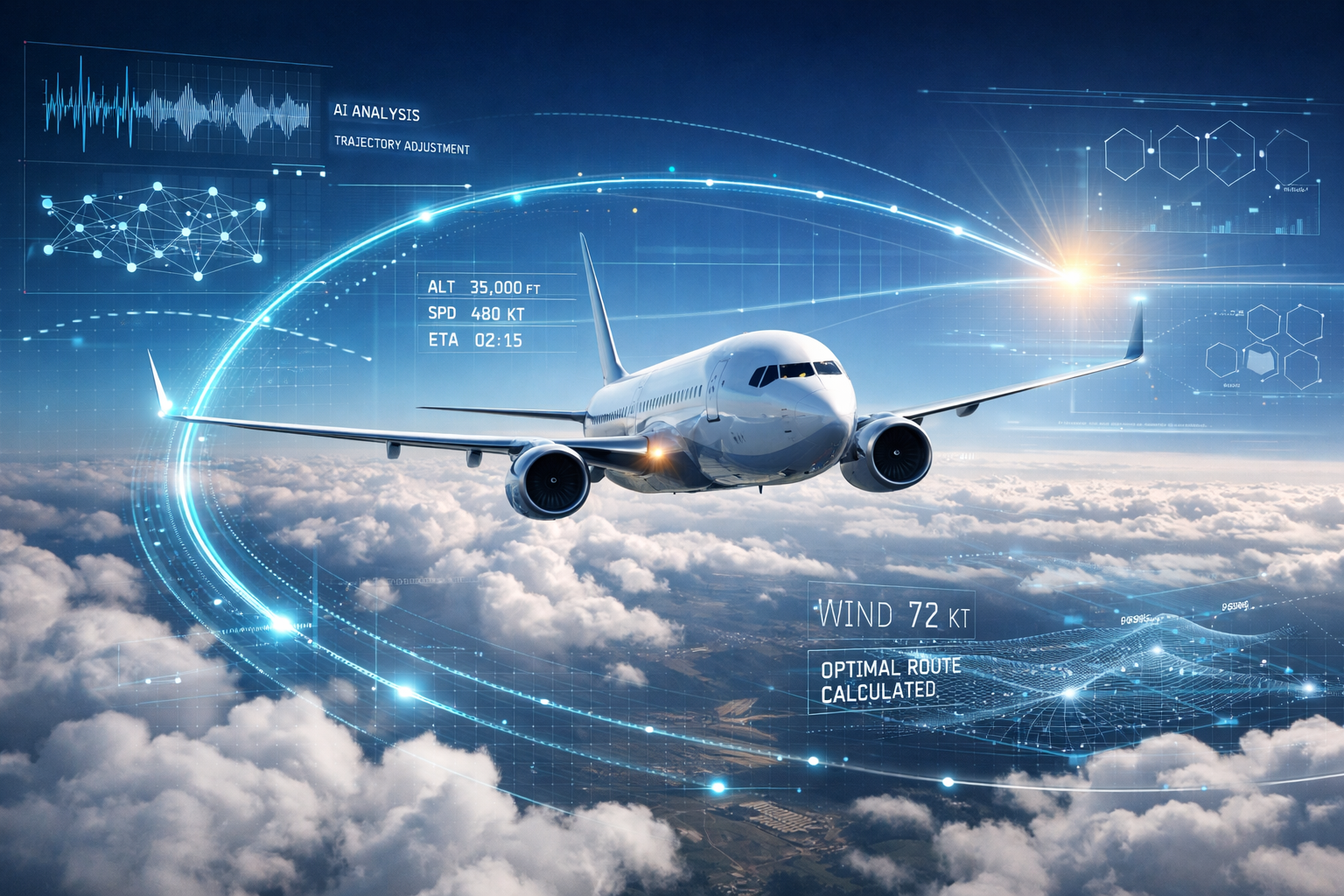
Flight path optimization aims to find the most efficient route for an aircraft from departure to arrival, considering these variables to reduce fuel burn, lower emissions, and improve overall flight efficiency. With the integration of AI, these optimizations can be performed in real time and at a scale that manual methods cannot match.
How AI Enhances Flight Path Optimization
Artificial intelligence leverages vast datasets and complex algorithms to analyze numerous factors simultaneously. Here are some key ways AI improves flight path planning:
1. Predictive Analytics for Weather and Traffic
AI models can process meteorological data, forecasts, and historical trends to predict weather patterns along potential routes. By anticipating turbulence, wind speeds, and storm systems, AI helps pilots and air traffic controllers choose smoother, safer paths that also conserve fuel.
Moreover, AI-powered systems can monitor real-time air traffic data, dynamically adjusting routes to avoid congestion and reduce delays. This capability is particularly valuable in busy airspaces where traffic density can cause significant inefficiencies.
2. Machine Learning Algorithms for Route Optimization
Machine learning (ML) techniques enable continuous improvement in route selection by learning from past flight data. These algorithms identify patterns linked to fuel savings and time reductions, allowing AI systems to recommend optimal trajectories that balance speed, safety, and efficiency.
For example, reinforcement learning—a branch of ML—can simulate thousands of route scenarios and learn to select the best path based on defined objectives such as minimizing fuel consumption or reducing carbon emissions.
3. Real-Time Decision Support Systems
AI-powered decision support tools provide pilots and air traffic controllers with actionable insights during flight. These systems can suggest altitude changes, speed adjustments, or alternate routes in response to evolving conditions, ensuring continuous optimization throughout the flight.
Integrating these tools with cockpit instruments and air traffic management platforms enhances situational awareness and streamlines communication, leading to safer and more efficient operations.
Benefits of AI-Driven Flight Path Optimization
- Fuel Efficiency: Optimized routes reduce unnecessary fuel burn, lowering operational costs and carbon footprints.
- Reduced Emissions: By minimizing fuel consumption, AI contributes to the aviation sector’s sustainability goals.
- Improved Air Traffic Flow: Dynamic routing decreases congestion and delays, improving punctuality and passenger experience.
- Enhanced Safety: AI assists in avoiding hazardous weather and airspace conflicts, supporting safer flights.
- Operational Cost Savings: Airlines benefit from lower fuel expenses, reduced maintenance needs, and more efficient scheduling.
Challenges and Considerations
Despite its potential, the adoption of AI in flight path optimization faces several challenges:
Data Quality and Availability
AI systems require high-quality, comprehensive data to generate reliable recommendations. Incomplete or outdated information can lead to suboptimal decisions. Collaboration among airlines, air traffic control agencies, and meteorological services is essential to ensure data accuracy and accessibility.
Regulatory and Safety Compliance
Any AI-driven changes to flight operations must comply with stringent safety regulations and airspace rules. Integrating AI recommendations into existing frameworks requires careful validation, certification, and oversight by aviation authorities.
Human-AI Collaboration
While AI can provide valuable insights, human expertise remains crucial. Pilots and controllers must understand AI outputs and retain ultimate decision-making authority, emphasizing the need for intuitive interfaces and comprehensive training.
Real-World Examples of AI Flight Optimization
Several industry leaders and research initiatives have demonstrated the impact of AI on flight efficiency:
- NASA’s Airspace Technology Demonstration: NASA has developed AI tools that dynamically reroute aircraft to avoid weather disruptions and reduce fuel use, with successful test flights showing significant savings.
- Airlines Using AI for Fuel Management: Carriers like Lufthansa and United Airlines employ AI-based systems to analyze flight data and recommend optimal speeds and altitudes, contributing to millions of dollars in fuel savings annually.
- EU’s SESAR Program: The Single European Sky ATM Research initiative integrates AI to enhance traffic flow management across Europe, enabling more flexible and efficient use of airspace.
Looking Ahead: The Future of AI in Aviation
The future of AI-driven flight path optimization is promising, with ongoing advancements expected to further revolutionize aviation:
- Integration with Autonomous Flight Systems: AI may eventually enable more autonomous decision-making in cockpit systems, enhancing precision and responsiveness.
- Global Data Sharing Platforms: Expanded collaboration and data exchange among global aviation stakeholders will improve AI accuracy and applicability.
- Enhanced Environmental Impact Modeling: AI will increasingly incorporate environmental metrics, helping airlines meet stricter emissions targets and sustainability commitments.
- Personalized Passenger Experience: Optimized flight paths can reduce delays and turbulence, improving comfort and satisfaction for travelers.
Key Takeaways
- AI significantly improves flight path optimization by analyzing dynamic weather, traffic, and operational data in real time.
- Fuel savings and reduced emissions are among the primary benefits, contributing to both economic and environmental goals.
- Human oversight remains essential, with AI serving as a decision support tool rather than a replacement for pilots and controllers.
- Challenges include data integrity, regulatory compliance, and system integration, requiring ongoing collaboration across the aviation ecosystem.
- Innovations in AI promise to further enhance air traffic management, safety, and passenger experience in the coming years.
Related Resources
- FAA NextGen Program – The Federal Aviation Administration’s initiative to modernize US air traffic systems using advanced technologies, including AI-driven optimization.
- NASA Aeronautics Research – Research on AI and automation in aviation to improve flight efficiency and safety.
- Eurocontrol – The European organization managing air traffic flow and implementing AI solutions for smarter airspace use.
- ICAO Climate Change Initiatives – International efforts to reduce aviation’s environmental impact through technology and policy.