


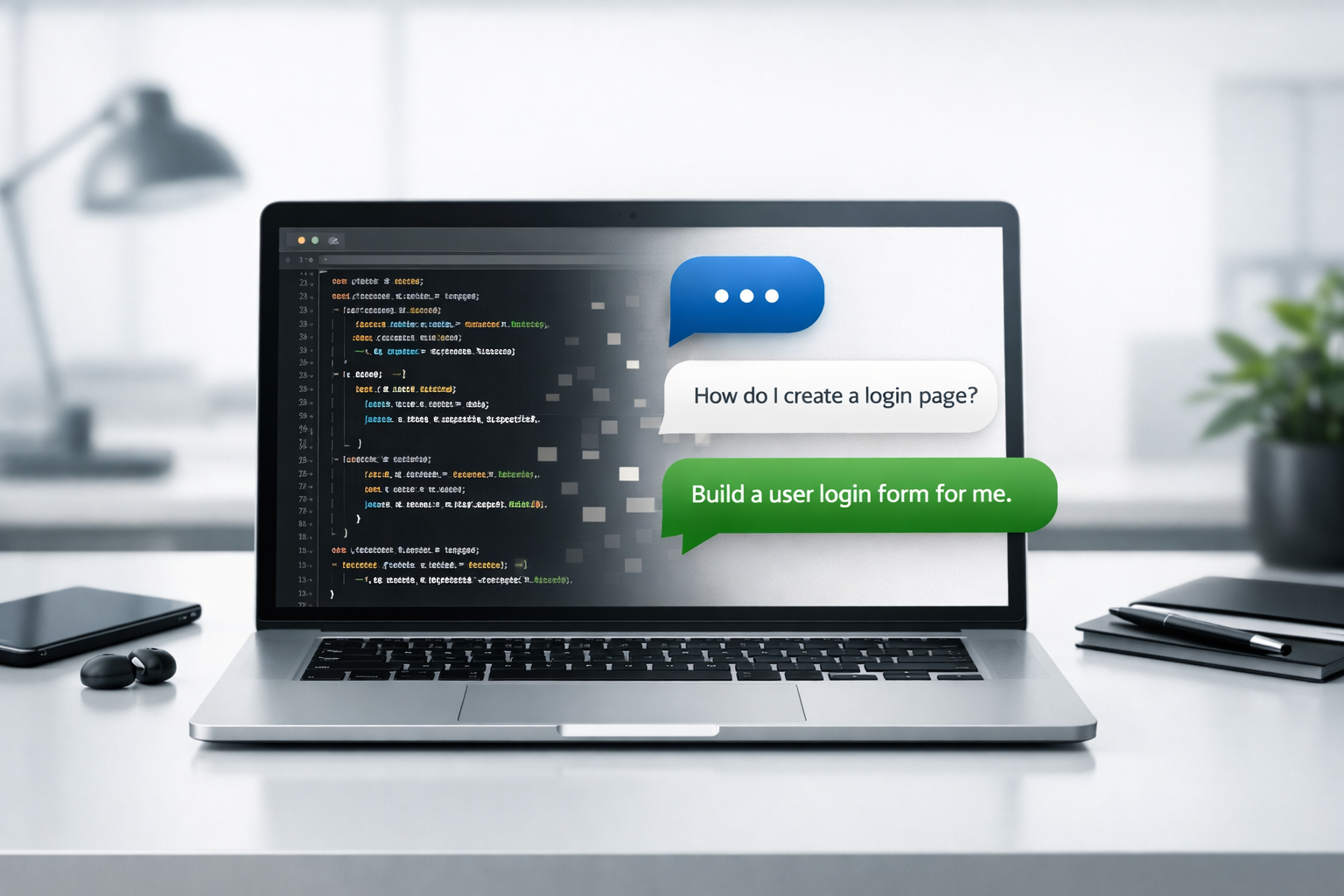
In the rapidly evolving world of technology, custom software development has traditionally been a complex, resource-intensive process requiring specialized knowledge in programming languages, frameworks, and system architectures. However, a transformative shift is underway. Natural language interfaces—where software can be built, customized, and modified through everyday human language—are revolutionizing how we approach software creation. This change is not only simplifying technology adoption but also accelerating innovation across industries.
Understanding the Shift: From Code to Conversation
At its core, software development has always been about translating human needs into machine instructions. Historically, this translation demanded a deep understanding of coding languages like Java, Python, or C++. For many businesses and individuals, this created a barrier to entry, limiting who could participate in the development process.
Natural language processing (NLP) and artificial intelligence (AI) have now made it possible to bridge this gap. By allowing users to describe their requirements in plain English—or any other everyday language—these technologies can interpret intentions and convert them into functioning software components. This shift from “code” to “conversation” marks a fundamental change in how software is conceived and created.
The Technology Behind Natural Language Software Development
Several breakthroughs have paved the way for this transformation:
- Advances in NLP: Modern NLP models have become incredibly adept at understanding context, syntax, and semantics, enabling them to interpret complex instructions accurately.
- AI-Powered Code Generation: Tools like OpenAI’s Codex and other large language models can generate code snippets or entire modules based on textual descriptions.
- Low-Code and No-Code Platforms: These platforms incorporate natural language capabilities to allow users to drag, drop, and describe functionalities rather than write lines of code.
- Conversational Interfaces: Chatbots and voice assistants integrated with development environments enable interactive dialogue for real-time software customization.
How Natural Language is Simplifying Technology Adoption
One of the biggest challenges for organizations is the steep learning curve associated with traditional software development. Natural language-driven development addresses this by:
- Democratizing Software Creation: Non-technical stakeholders—such as marketers, product managers, and business analysts—can now actively participate in shaping software without needing programming expertise.
- Reducing Development Time: Describing desired features in natural language speeds up the requirements gathering and prototyping phases, allowing rapid iteration and feedback.
- Enhancing Collaboration: Clearer communication between technical and non-technical teams reduces misunderstandings and aligns project goals more effectively.
- Lowering Costs: By minimizing the reliance on specialized developers for routine or straightforward tasks, organizations can optimize budget allocation.
Real-World Examples of Impact
Several industries are already benefiting from the integration of natural language interfaces in software development:
- Healthcare: Clinicians can specify patient management workflows or data collection tools using simple language, enabling tailored applications without extensive coding.
- Finance: Financial analysts can build custom dashboards or automate reporting processes by describing their needs conversationally.
- Marketing: Teams can create personalized customer engagement tools or automate campaign workflows more rapidly.
- Small and Medium Businesses: Entrepreneurs with limited technical resources can deploy business-critical applications without the overhead of hiring full development teams.
Accelerating Innovation Through Conversational Software Development
Natural language-driven development is not just about simplifying tasks—it actively fosters innovation by enabling faster experimentation and iteration. Here’s how:
- Idea to Prototype in Minutes: Instead of lengthy planning and coding cycles, users can express concepts and see working prototypes almost instantly.
- Empowering Citizen Developers: A broader range of individuals can contribute ideas and improvements, increasing the diversity and creativity of solutions.
- Continuous Adaptation: Natural language interfaces make it easier to tweak or expand software functionalities on the fly, responding swiftly to changing needs.
- Integrating AI Capabilities: Conversational development environments often embed AI-driven analytics, automation, and personalization features, enhancing the software’s value.
Challenges and Considerations
Despite its potential, natural language software development is still evolving, and some challenges remain:
- Ambiguity in Language: Human language can be vague or context-dependent, requiring sophisticated disambiguation to ensure accurate software behavior.
- Complexity Limits: While great for many use cases, very complex systems may still require traditional programming expertise.
- Security and Compliance: Automated code generation must be carefully monitored to prevent vulnerabilities and ensure regulatory adherence.
- Learning Curve for New Tools: Users must become familiar with natural language interfaces and their capabilities to maximize effectiveness.
Looking Ahead: The Future of Software Development
As AI and NLP technologies continue to mature, the boundary between human intent and software execution will blur further. We can anticipate:
- More Intuitive Interfaces: Voice-driven and multimodal inputs will become standard, making interaction even more natural.
- Deeper AI Assistance: Development environments will proactively suggest improvements, detect issues, and optimize performance based on conversational feedback.
- Greater Personalization: Software will adapt dynamically to individual user preferences and business contexts described in natural language.
- Cross-Disciplinary Collaboration: Teams from diverse backgrounds will innovate together seamlessly, accelerating digital transformation.
Key Takeaways
- Natural language interfaces are lowering barriers to software creation, enabling broader participation beyond traditional developers.
- This shift accelerates innovation by shortening development cycles and fostering rapid prototyping and iteration.
- Industries like healthcare, finance, and marketing are already leveraging conversational development to streamline operations and customize solutions.
- While promising, natural language-driven development requires careful handling of language ambiguity, security, and complexity.
- The future points toward increasingly intelligent, intuitive, and collaborative software creation environments.
By embracing the power of natural language, businesses and individuals can unlock new levels of creativity, agility, and efficiency in software development. This revolution is reshaping not only how we build technology but also how we think about the relationship between humans and machines—paving the way for a more accessible and innovative digital future.