


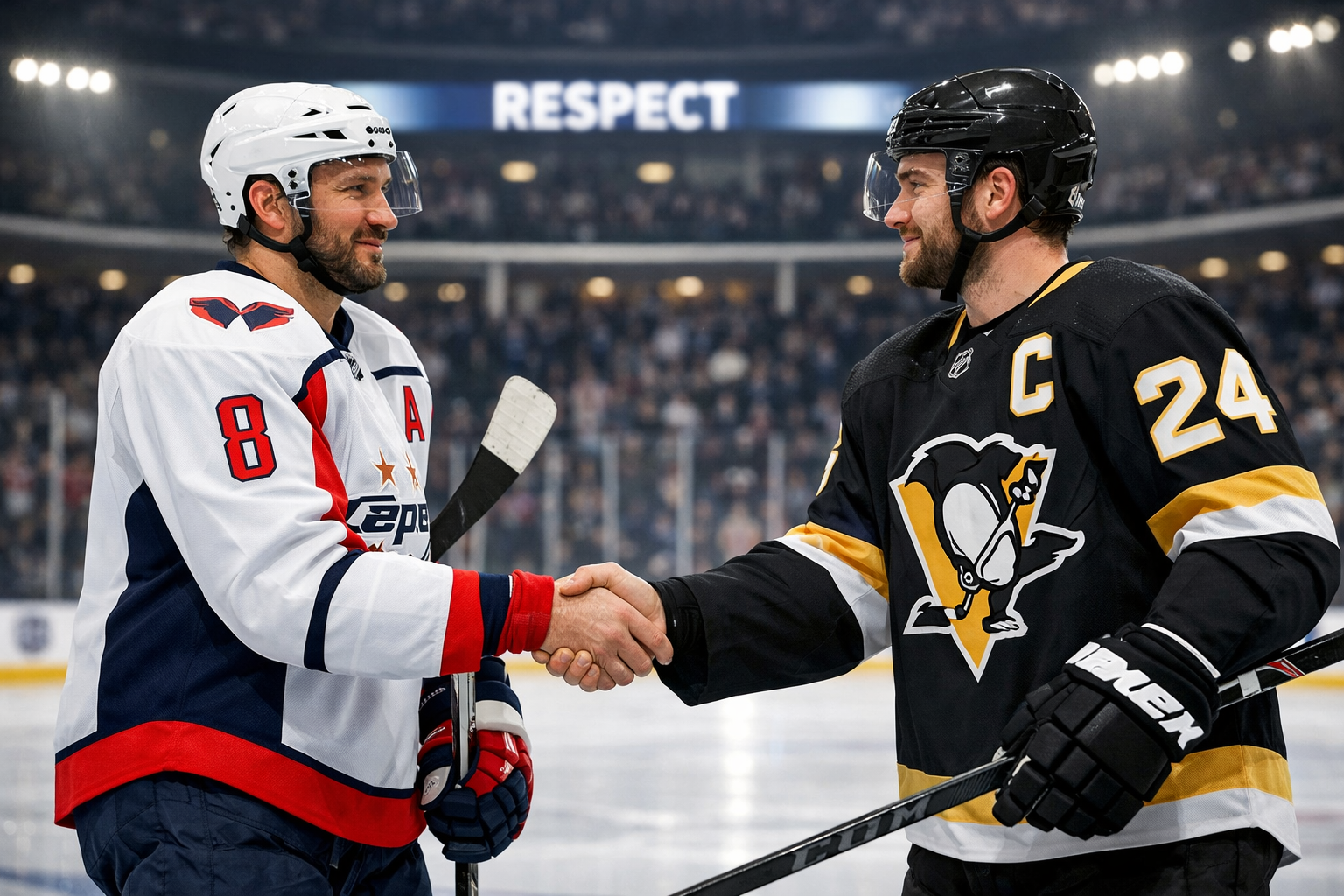
Hockey is more than just a fast-paced, physically demanding sport; it is a microcosm of life’s broader challenges and opportunities. At its core, hockey teaches lessons that extend well beyond the rink—particularly the crucial values of sportsmanship, integrity, and respect. These elements not only enhance the experience of the game but also shape the character of players, influencing how they navigate personal and professional arenas off the ice.
The Essence of Sportsmanship in Hockey
Sportsmanship in hockey refers to the ethical and respectful behavior exhibited by players, coaches, and fans alike. It encompasses fair play, respect for opponents, graciousness in victory and defeat, and adherence to the rules and spirit of the game. Given hockey’s physicality and speed, maintaining sportsmanship isn’t always easy, but it is essential for the game’s integrity and the safety of its participants.
Unlike many sports, hockey combines intense physical contact with rapid decision-making, often under pressure. This environment can test players’ temperaments and ethics, making sportsmanship a critical pillar that sustains the game’s dignity and enjoyment.
Why Sportsmanship Matters On the Ice
- Promotes Fair Play: Respecting rules and opponents ensures everyone competes on an even playing field, preserving the sport’s competitive integrity.
- Enhances Safety: When players show respect for one another, it reduces unnecessary aggression and dangerous plays, lowering injury risks.
- Improves Team Dynamics: Sportsmanship fosters mutual trust and cooperation within teams, which can translate into better communication and performance.
- Sets a Positive Example: Players who demonstrate respect and integrity serve as role models for younger athletes, helping cultivate a healthier sports culture.
Respect Beyond Rivalry
Hockey is known for its rivalries, some of which are deeply passionate and longstanding. Yet, sportsmanship reminds us that rivalry is about competition, not animosity. Players who shake hands after a tough game or acknowledge the skill of their opponents embody the true spirit of the sport.
“Winning means little if it comes at the cost of respect and fairness. Hockey’s greatest victories are those won with honor.”
The Impact of Sportsmanship Off the Ice
The lessons learned from hockey extend far beyond the rink. Players who embrace sportsmanship often carry those principles into their daily lives, influencing their personal relationships, professional conduct, and community involvement.
Building Character Through Hockey
Sportsmanship nurtures qualities such as honesty, accountability, and empathy. These traits are invaluable in the workplace, where teamwork and ethical behavior drive success. Former hockey players frequently credit their experiences on the ice for developing resilience, discipline, and interpersonal skills.
Moreover, facing adversity in a competitive environment helps individuals learn to handle stress, setbacks, and conflicts constructively—skills that are essential in any professional or social setting.
Creating Positive Community Influence
Hockey players who champion sportsmanship often become leaders and advocates within their communities. Whether through youth coaching, charity involvement, or simply modeling respectful behavior, their influence helps promote a culture of fairness and respect that can ripple through society.
Challenges to Maintaining Sportsmanship in Modern Hockey
Despite its importance, sportsmanship faces challenges in today’s hockey environment. The pressure to win, media scrutiny, and the commercialization of sports can sometimes incentivize aggressive or unsportsmanlike conduct.
- Competitive Pressure: High stakes can tempt players to bend rules or show poor conduct.
- Media and Fan Influence: Intense focus on rivalries and drama can glamorize conflict rather than respect.
- Physical and Emotional Toll: The physical nature of hockey can provoke emotional reactions that test players’ self-control.
Addressing these challenges requires concerted efforts from leagues, teams, coaches, and players themselves to prioritize respect, integrity, and education on sportsmanship.
How Hockey Organizations Can Foster Sportsmanship
- Implement Clear Codes of Conduct: Establishing and communicating expectations for behavior on and off the ice helps create accountability.
- Offer Education and Training: Workshops and seminars on emotional intelligence, conflict resolution, and ethical play can empower players and staff.
- Encourage Positive Role Models: Celebrating athletes who exemplify sportsmanship can inspire others to follow suit.
- Promote Community Engagement: Facilitating volunteer and outreach programs strengthens the connection between hockey and social responsibility.
Practical Tips for Players to Uphold Sportsmanship
Whether you are a seasoned player or just starting, maintaining sportsmanship is a personal responsibility. Here are some practical ways to embody these values:
- Respect Officials: Accept referees’ decisions without argument and understand their role in ensuring fair play.
- Control Emotions: Stay calm during heated moments and avoid retaliatory behavior.
- Support Teammates and Opponents: Encourage good play from all participants and recognize effort and skill.
- Practice Humility: Celebrate wins modestly and accept losses graciously.
- Lead by Example: Your behavior influences others, so strive to set a positive standard.
Key Takeaways
- Sportsmanship is fundamental to preserving hockey’s integrity, safety, and enjoyment.
- Respect and fairness on the ice foster better competition and healthier team environments.
- Lessons from hockey sportsmanship translate into valuable life skills, enhancing personal and professional growth.
- Modern challenges require proactive efforts from all stakeholders to uphold and promote sportsmanship.
- Players can take practical steps to embody sportsmanship, positively influencing their communities and the broader hockey culture.