


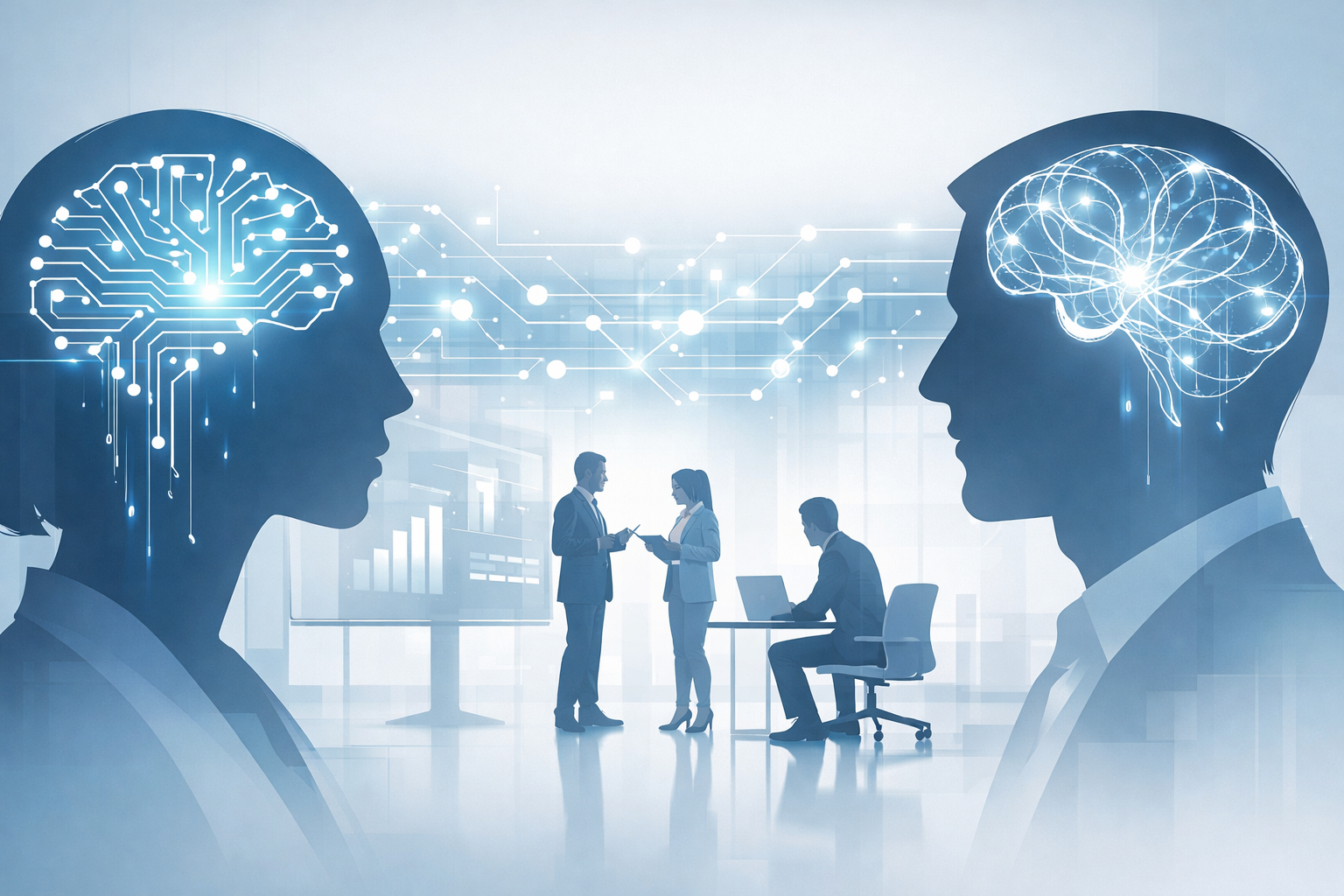
In recent years, artificial intelligence (AI) has often been framed primarily as a tool for automation—streamlining repetitive tasks, optimizing workflows, and reducing human effort. While automation remains a core advantage of AI, this perspective only scratches the surface of its transformative potential. Beyond simply replacing or augmenting manual processes, AI is increasingly positioned as an amplifier of human intelligence and a catalyst for deeper learning. This shift from automation to cognitive partnership offers profound implications not only for how we work but also for how we think, learn, and innovate.
Understanding AI Beyond Automation
Automation focuses on efficiency and productivity by handling tasks that are routine, rule-based, or data-intensive. In contrast, amplifying human intelligence involves using AI to enhance our cognitive capabilities—improving decision-making, creativity, problem-solving, and learning agility. This subtle yet powerful distinction moves AI from a passive assistant to an active collaborator.
Consider the following:
- Automation: AI processes invoices, schedules appointments, or filters emails.
- Cognitive Amplification: AI analyzes complex datasets to reveal patterns that inform strategy or offers personalized learning paths based on individual knowledge gaps.
By partnering with AI in this way, humans can tackle more complex challenges and develop new skills more rapidly.
Practical Applications of AI as a Cognitive Partner
1. Personalized Learning and Skill Development
AI-powered educational platforms adapt to learners’ unique needs, delivering tailored content, real-time feedback, and adaptive assessments. These systems go beyond static curricula by continuously analyzing learner performance and modifying instruction to optimize engagement and retention.
For professionals, this means accelerated upskilling and reskilling opportunities that align with evolving job requirements. For lifelong learners, AI can help maintain intellectual curiosity and cognitive flexibility through personalized challenges and resources.
2. Enhanced Decision-Making
In business and finance, AI algorithms can synthesize vast amounts of data to present actionable insights that might elude human analysts due to complexity or scale. By surfacing relevant trends, risks, and opportunities, AI enables more informed decision-making without replacing human judgment.
Importantly, the best outcomes arise when AI tools provide explanations and transparency, allowing users to understand the rationale behind recommendations and maintain a critical perspective.
3. Creative Collaboration
AI is also reshaping creative fields by serving as a co-creator. From generating initial design concepts to suggesting novel ideas in writing, music, or art, AI tools can inspire and expand human imagination. This collaborative dynamic encourages experimentation and breaks through creative blocks.
4. Cognitive Workload Management
Modern knowledge workers face information overload. AI systems that intelligently filter, summarize, and prioritize information help reduce cognitive fatigue, enabling humans to focus on high-value thinking and strategic analysis.
Strategic Insights for Leveraging AI as a Cognitive Amplifier
To fully harness AI’s potential to amplify intelligence and learning, organizations and individuals should consider several strategic principles:
- Prioritize Human-Centered Design: AI tools should be designed with the end-user’s cognitive processes in mind. Interfaces must be intuitive, explanations clear, and controls flexible to foster trust and adoption.
- Emphasize Explainability and Transparency: Users need insight into how AI arrives at conclusions to critically evaluate outputs and integrate them with their own expertise.
- Blend AI with Domain Expertise: AI excels when combined with deep human knowledge rather than as a replacement. Collaborative workflows that integrate AI’s analytical power with human intuition produce superior results.
- Invest in Digital Literacy and AI Fluency: Understanding AI’s capabilities and limitations empowers users to leverage tools effectively and ethically.
- Encourage Continuous Learning: As AI technologies evolve rapidly, adopting a mindset of lifelong learning is essential to stay ahead and adapt to new cognitive partnerships.
Challenges to Consider
While the promise of AI as a cognitive partner is compelling, it is important to acknowledge potential pitfalls:
- Overreliance: There is a risk of deferring too much to AI recommendations without critical scrutiny, which can lead to errors or loss of skills.
- Bias and Fairness: AI systems trained on historical data may perpetuate biases, impacting the quality and equity of insights.
- Privacy and Security: Amplifying intelligence often requires access to sensitive data, necessitating robust protections.
- Accessibility and Inclusivity: Ensuring AI tools serve diverse users and do not widen digital divides is a key ethical concern.
Looking Ahead: The Future of Human-AI Collaboration
As AI continues to mature, its role as an amplifier of human intelligence will deepen across virtually all domains. We are moving toward a future where AI doesn’t just automate tasks but actively enhances our cognitive capacity—helping us to think more deeply, learn more effectively, and innovate more boldly.
For professionals and enthusiasts alike, the opportunity lies in embracing AI not as a threat or mere efficiency tool but as a dynamic partner in intellectual growth and discovery. Cultivating this partnership will be essential to thriving in an increasingly complex, data-rich world.
Key Takeaways
- AI’s value extends beyond automation to amplifying human intelligence and learning.
- Personalized learning, enhanced decision-making, creative collaboration, and cognitive workload management are key application areas.
- Human-centered design, transparency, and blending AI with domain expertise maximize AI’s cognitive benefits.
- Challenges such as overreliance, bias, privacy, and inclusivity must be addressed thoughtfully.
- Embracing AI as a cognitive partner fosters deeper learning, innovation, and adaptability in a complex world.