
Fun Facts About the A-10 Thunderbolt II
Discover intriguing and lesser-known facts about the A-10 Thunderbolt II, its unique design, history, and remarkable capabilities that make it a legendary close air support aircraft.
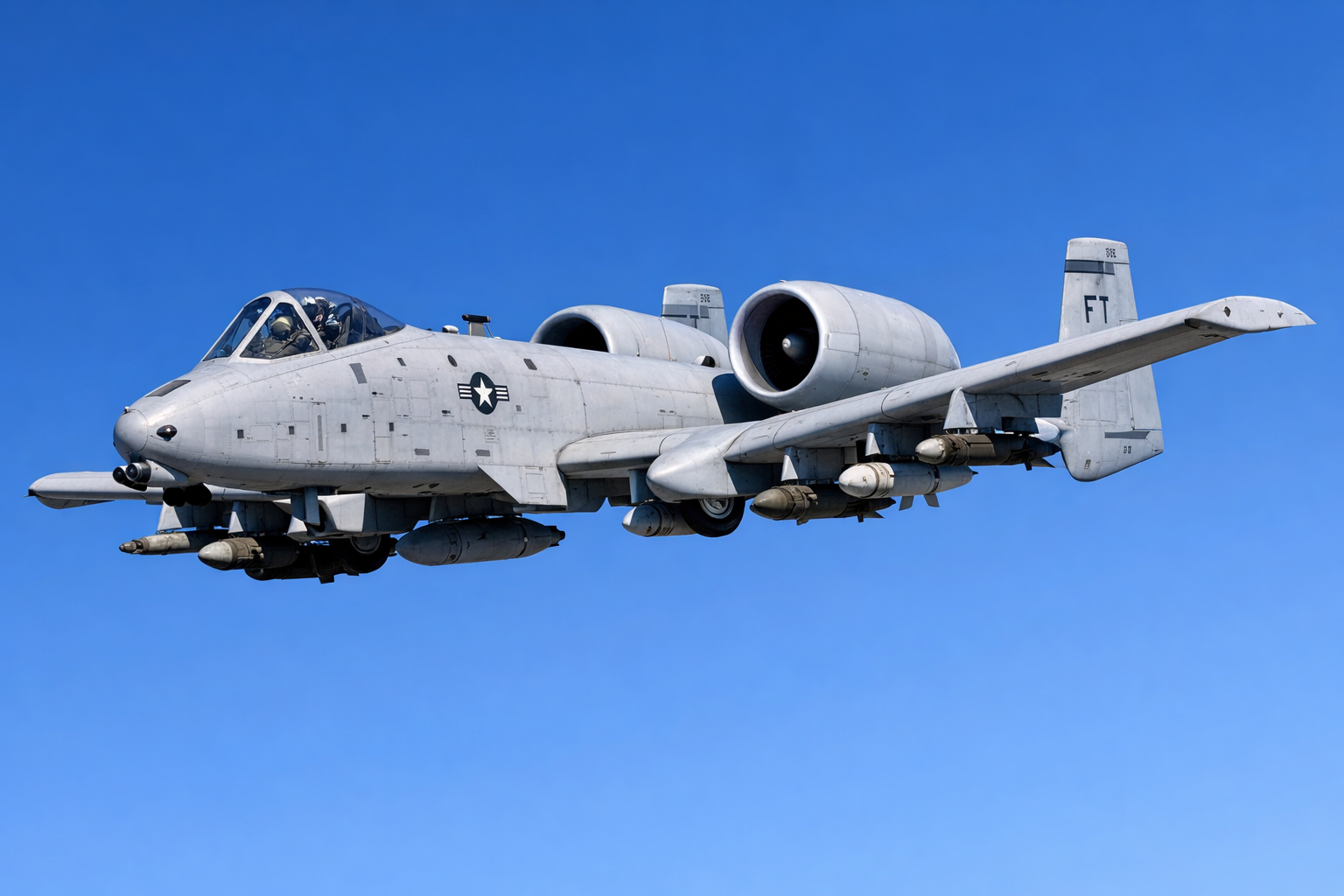
The A-10 Thunderbolt II, affectionately known as the “Warthog,” stands as one of the most iconic and enduring close air support aircraft in modern military aviation. Renowned for its rugged durability, distinctive design, and powerful armament, the A-10 has carved out a unique role on the battlefield. While many are familiar with its primary function as a tank-buster and ground-attack aircraft, there is an array of fascinating facts about the A-10 that highlight its engineering marvels, historical significance, and operational capabilities. This article delves into some lesser-known insights that make the A-10 Thunderbolt II a true legend of the skies.
The Origins and Unique Design Philosophy
The A-10 Thunderbolt II was designed during the Cold War era, with its first flight in 1972 and introduction into service in 1976. Unlike fast jets designed for air-to-air combat or strategic bombing, the A-10 was purpose-built for close air support (CAS) missions, specifically to counter Soviet armored forces in Europe. Its design was heavily influenced by the need to survive intense ground fire and operate at low altitudes over hostile territory.
- Durability First: The A-10’s titanium “bathtub” cockpit armor protects the pilot from ground fire, a feature that has saved countless lives during combat missions.
- Redundant Systems: The aircraft is engineered with multiple redundant flight systems, allowing it to continue flying even after sustaining severe damage.
- Straight Wing Design: Unlike many jet fighters with swept wings, the A-10’s straight wings provide exceptional low-speed maneuverability and short takeoff and landing capabilities.
The Fearsome GAU-8 Avenger Cannon
One of the most defining features of the A-10 is its primary weapon: the GAU-8/A Avenger, a 30mm seven-barrel Gatling-type cannon. This weapon is one of the most powerful aircraft cannons ever flown, designed specifically to destroy tanks, armored vehicles, and fortified positions.
- Incredible Firepower: The GAU-8 can fire up to 3,900 rounds per minute, delivering devastating armor-piercing rounds that punch through tank armor and concrete.
- Engineered Around the Cannon: The A-10’s entire airframe is designed to accommodate the GAU-8; its nose gear is offset to make room for the cannon’s barrel, highlighting its central importance.
- Precision at Low Speeds: The slow flying speed and stability of the A-10 allow pilots to aim the cannon with remarkable accuracy during strafing runs.
Operational History and Combat Effectiveness
Since its introduction, the A-10 has been a workhorse in multiple conflicts, from the Gulf War to operations in Afghanistan and Iraq. Its reputation for survivability and effectiveness in close air support has made it a favorite among ground troops and pilots alike.
- Gulf War Dominance: During Operation Desert Storm in 1991, the A-10 was credited with destroying more than 900 Iraqi tanks, armored vehicles, and artillery pieces.
- Survivor in Hostile Environments: The A-10’s ruggedness allows it to return safely after taking hits from small arms, anti-aircraft fire, and even surface-to-air missiles.
- Continued Adaptations: Over the decades, the A-10 has undergone upgrades in avionics, weapons systems, and targeting pods to maintain its relevance against modern threats.
Unique Features That Set the A-10 Apart
Beyond its cannon and durability, the A-10 incorporates several other design elements that contribute to its unique operational capabilities.
- Dual Engines: The A-10 has two General Electric TF34-GE-100 turbofan engines mounted high on the fuselage, which helps protect them from debris and enemy fire.
- Self-Sealing Fuel Tanks: To reduce the risk of fire after damage, the aircraft’s fuel tanks are self-sealing and foam-filled.
- Manual Flight Controls: The A-10 retains manual flight controls as a backup, allowing pilots to fly the aircraft even if hydraulic systems fail.
- Large Payload Capacity: The aircraft can carry approximately 16,000 pounds of a wide variety of weapons, including bombs, missiles, rockets, and of course, the GAU-8 cannon ammunition.
Why the A-10 Continues to Serve
Despite the rise of high-tech stealth aircraft and drones, the A-10 remains in active service because of its unmatched close air support capabilities. The aircraft’s combination of toughness, firepower, and precision make it uniquely suited for supporting ground forces in contested environments.
The U.S. Air Force has repeatedly considered retiring the A-10 but has extended its service life due to the aircraft’s irreplaceable role. Modernized versions include advanced targeting pods like the Sniper and LITENING systems, enabling even greater accuracy and situational awareness.
“The A-10 is the best close-air-support aircraft in the world. It is the only one that can loiter over the battlefield, absorb damage, and continue the fight.” – Veteran A-10 Pilot
Key Takeaways
- The A-10 Thunderbolt II was specifically designed for close air support, with an emphasis on durability and survivability.
- Its iconic GAU-8 Avenger cannon remains one of the most powerful aircraft weapons ever built.
- The aircraft has a proven track record in multiple conflicts, credited with destroying hundreds of enemy vehicles and saving countless ground troops.
- Unique design features like titanium armor, redundant systems, and self-sealing fuel tanks make the A-10 remarkably resilient.
- Despite evolving warfare technology, the A-10 continues to serve due to its unmatched ability to support troops in combat zones.
Related Resources
- U.S. Air Force A-10 Fact Sheet – Official details and specifications from the U.S. Air Force.
- Lockheed Martin A-10 Overview – Information on the aircraft’s design and upgrades from the manufacturer.
- Naval History and Heritage Command – Historical context and operational history of the A-10.
- Air & Space Forces Magazine: “A-10 Survives and Thrives” – Analysis of the aircraft’s ongoing relevance in modern warfare.