
Creatine: Exploring Its Emerging Role as a Nootropic and Cerebral Health Booster
Discover the potential cognitive and brain health benefits of creatine, beyond its well-known role in physical performance enhancement.
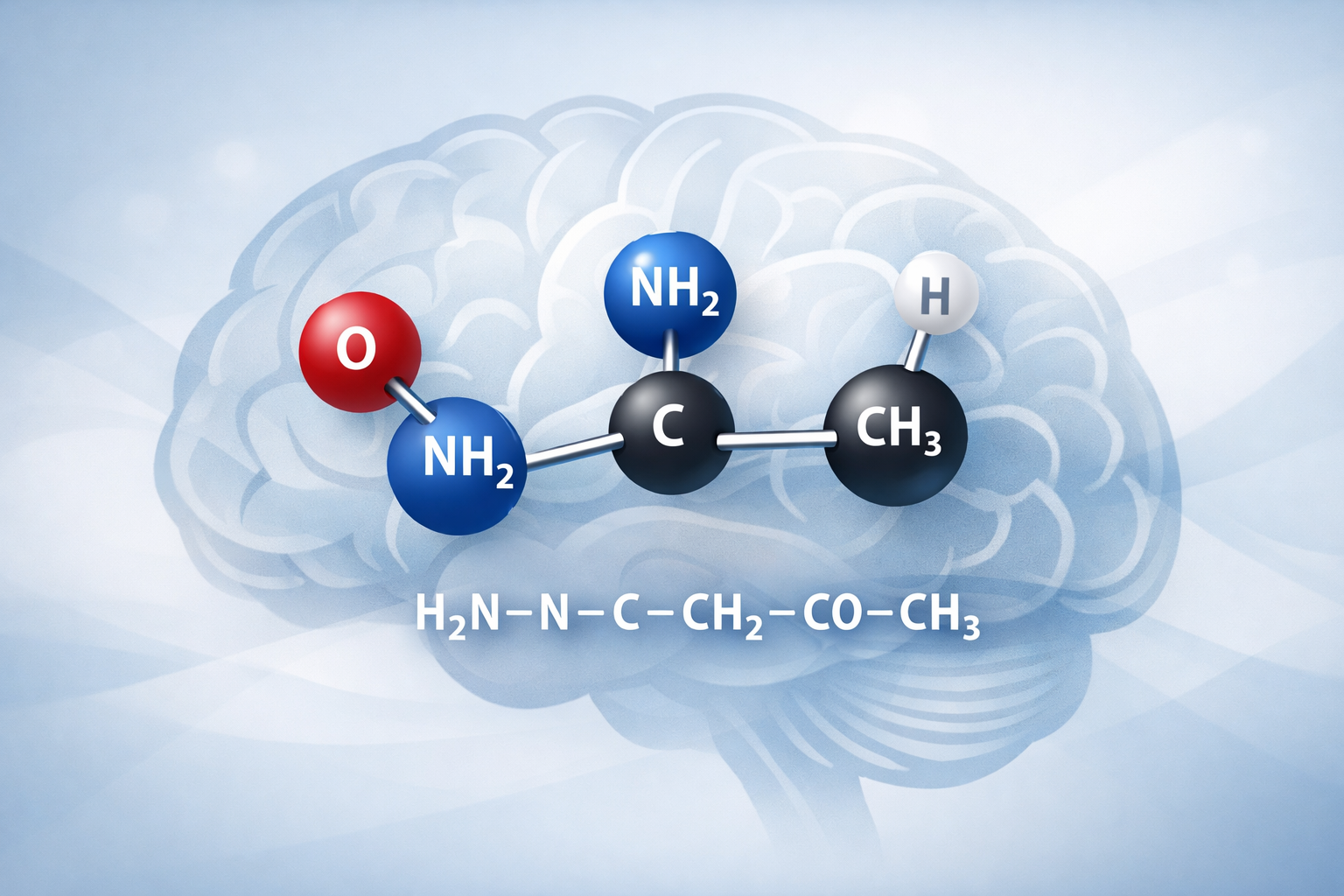
Creatine is widely recognized for its role in enhancing physical performance, especially in the realms of strength training and bodybuilding. However, beyond its muscular benefits, emerging research is shedding light on creatine’s potential as a nootropic—a cognitive enhancer—and a supporter of cerebral health. This article explores the science behind creatine’s effects on brain function, its practical applications, and what this means for those seeking improved mental clarity, memory, and overall brain resilience.
Understanding Creatine: More Than Muscle Fuel
Creatine is a naturally occurring compound found primarily in muscle cells, where it serves as a key source of energy during high-intensity exercise. It is synthesized in the liver, kidneys, and pancreas from amino acids like arginine, glycine, and methionine, and can also be obtained through dietary sources such as red meat and fish.
While its reputation is strongly tied to athletic performance, creatine’s role in energy metabolism is not limited to muscles. The brain, an energy-intensive organ, also relies on creatine to maintain cellular energy homeostasis. This shared biochemical foundation provides a rationale for investigating creatine’s effects on cognitive processes.
The Science Behind Creatine and Cognitive Function
At the cellular level, creatine supports the rapid regeneration of adenosine triphosphate (ATP), the primary energy currency of the cell. Neurons, especially during periods of heightened activity such as learning or problem-solving, demand substantial ATP. Creatine supplementation can help meet these energetic needs, potentially improving neuronal efficiency.
Key Findings from Recent Studies
- Improved Memory and Intelligence: Several randomized controlled trials have demonstrated that creatine supplementation can enhance short-term memory and intelligence test scores, particularly in individuals under stress or sleep deprivation.
- Neuroprotection: Creatine appears to exert neuroprotective effects by reducing oxidative stress and stabilizing mitochondrial function, which may be beneficial in conditions such as traumatic brain injury and neurodegenerative diseases.
- Mental Fatigue Reduction: Studies indicate that creatine supplementation helps reduce mental fatigue during cognitively demanding tasks, supporting sustained attention and mental stamina.
Population Specific Benefits
While creatine may benefit virtually anyone, certain groups stand to gain more:
- Vegetarians and Vegans: Since plant-based diets generally contain less creatine, supplementation has shown more pronounced cognitive effects in these populations.
- Aging Adults: Cognitive decline associated with aging may be mitigated by creatine’s energy-supporting and neuroprotective properties.
- Individuals Under Cognitive Stress: People experiencing sleep deprivation, intense mental workloads, or stressful conditions may experience improved cognitive resilience.
Mechanisms Supporting Creatine’s Nootropic Effects
Creatine’s cognitive benefits can be understood through several interconnected mechanisms:
- Enhanced Energy Availability: By replenishing ATP rapidly, creatine ensures that neurons maintain optimal function during high-demand situations.
- Improved Mitochondrial Health: Creatine supports mitochondrial integrity, reducing cellular stress and preserving energy production capacity.
- Modulation of Neurotransmitters: There is emerging evidence that creatine influences neurotransmitter systems, such as glutamate and GABA, which play critical roles in cognition and mood regulation.
- Reduction of Oxidative Stress: Oxidative damage to brain cells is a common factor in neurodegenerative diseases; creatine’s antioxidant properties may help counteract this process.
Practical Considerations for Creatine Supplementation
For those interested in exploring creatine as a cognitive enhancer, several practical points should be considered:
Dosage and Forms
Creatine monohydrate remains the most studied and cost-effective form. Typical dosing protocols for cognitive benefits mirror those used in athletic contexts:
- Loading Phase: 20 grams per day divided into 4 doses, for 5-7 days (optional)
- Maintenance Phase: 3-5 grams per day thereafter
Not everyone chooses to do a loading phase; starting with a maintenance dose can also be effective over a longer timeline.
Safety Profile
Creatine is generally safe for healthy adults when taken at recommended dosages. Mild side effects may include gastrointestinal discomfort or bloating. It is advisable to stay well-hydrated during supplementation.
Timing and Synergies
Unlike stimulants, creatine does not provide immediate cognitive boosts. Its benefits accumulate over days to weeks. Some users report enhanced effects when combined with other nootropics like caffeine, though more research is needed.
Implications for Brain Health and Future Research
The growing body of evidence positions creatine as a promising adjunct for cognitive enhancement and brain health maintenance. Its low cost, well-established safety, and dual role in muscular and cerebral metabolism make it an attractive candidate for further exploration.
Future research directions include:
- Long-term effects of creatine supplementation on cognitive aging and dementia risk
- Mechanistic studies on creatine’s influence on neurotransmitter systems
- Clinical trials in populations with cognitive impairments or neurodegenerative diseases
Key Takeaways
- Creatine supports brain energy metabolism, which is crucial for cognitive function and resilience.
- Scientific studies suggest creatine supplementation can improve memory, reduce mental fatigue, and offer neuroprotective benefits.
- Vegetarians, aging adults, and individuals under cognitive stress may benefit most from creatine’s nootropic effects.
- Typical supplementation involves 3-5 grams daily, with minimal safety concerns for healthy individuals.
- Creatine represents a practical and affordable option as a cognitive enhancer, warranting further research in brain health applications.